
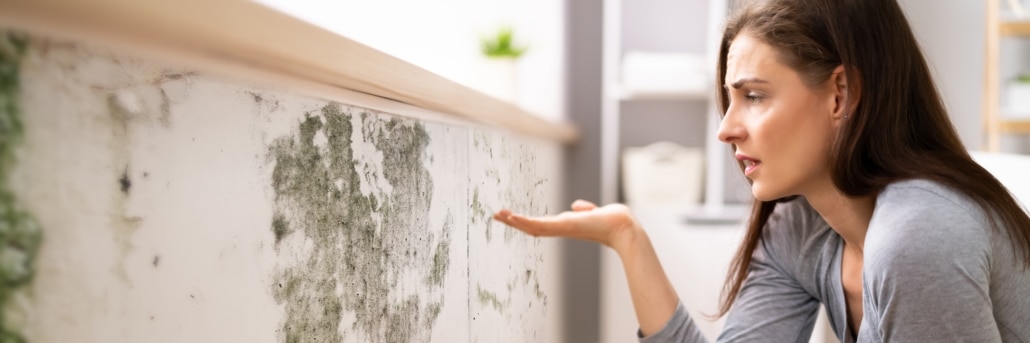
The Top 5 Things You Should Know About Mold
As a homeowner, the last thing you want to encounter is mold. But did you know that mold growth may be more common than you’d think? With so many opportunities to encounter these harmful spores, it is more important than ever to understand how exactly mold can affect your home and health. Here, we’ve broken down 5 of the top need-to-know facts about household mold.
Mold Needs Moisture
If you’ve ever found mold in your home, you’ve likely spotted it in places like your shower, under your sink, or in your kitchen. This is because mold requires consistent water and moisture to flourish. So, the parts of your home that are more significantly exposed to water tend to be the places where mold growth runs rampant.
Mold Can Grow Within 24-48 Hours In Your Home
Yes, it can happen that quickly! However, you likely won’t be able to see the mold growing at this stage. You will likely begin to notice mold in water-damaged or excessively humid areas around three weeks after exposure. Since the process happens so fast, it is important to address any leaks or floods in your house as soon as possible.
Mold Produces Harmful Airborne Toxins
You don’t have to physically touch mold to suffer the effects of it. Breathing in mold spores can be incredibly harmful to your health, especially if you already have preexisting conditions. You may experience allergy-like symptoms, such as wheezing and coughing. Others may develop adverse lung problems, like pneumonia, which can greatly impact your health for the rest of your life.
There Are Only 5 Types of Mold That Tend To Grow Indoors
Though there are thousands of different mold species across the world, household mold can typically be narrowed down to the following five:
- Penicillium: a blue-green mold typically found in insulated areas like rugs and carpet.
- Aspergillus: a very common type of mold with a grey, brown, yellow, or white appearance.
- Stachybotrys: the infamous “black mold” that can affect both mental and physical health.
- Cladosporium: a type of mold that can grow in cooler temperatures and climates.
Keep an eye out for these mold types in your home. If you see any signs, always reach out to an environmental services resource like Safer Homes as soon as possible.
Mold Inspections Can Boost Your Property Value
There is nothing prospective homeowners love more than a certifiably mold-free home. Getting a mold inspection before you sell your home can help you address any mold-related issues well before a buyer may encounter them. Having a positive mold inspection ahead of selling a home is also a great negotiation tool, as it leaves room for the seller to benefit from concessions like no contingencies or even competing bids.
Safer Homes Environmental offers indoor air quality management services such as mold sampling and testing, and microbial investigations. We also offer useful services like Relative Humidity Testing, which identifies the level of moisture in the air. These services and more can offer your family comfort and peace of mind as you live in your home, and potential buyers the confidence of knowing their new home can keep them safe.
Reach out to us today for a consultation.

