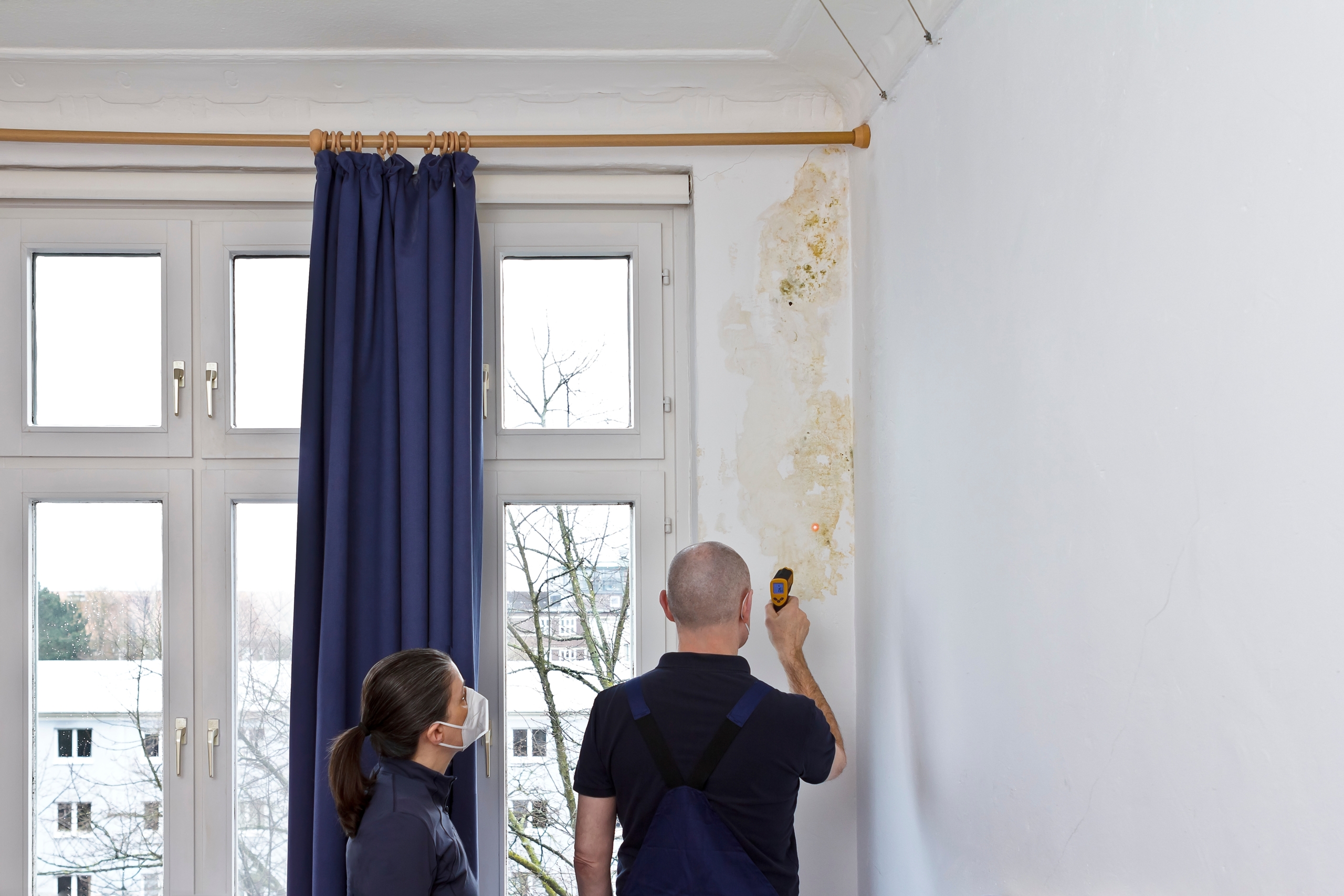
A person checking for mold which is growing beneath a condensation-filled window frame

The Best Ways To Prevent Mold Outbreaks at Home

Living in New Hampshire means dealing with humid summers, cold winters, and plenty of older homes with tricky corners. All of these create the perfect setting for mold growth to take hold. At Safer Homes Environmental, we help homeowners across the Granite State and the wider New England area keep their indoor spaces healthy. In this guide, you will learn where mold likes to hide, simple habits that keep it away, and when to call in professional mold testing for peace of mind.

Why Mold Growth Happens in New England Homes

Mold needs moisture, warmth, and a food source to thrive. Our regional climate delivers all three at different times of year. Damp basements, poorly vented attics, and drafty older homes give spores everything they need to settle in. A few common triggers stand out in homes like yours:

  • Excess humidity: Summer moisture and indoor dampness raise the risk of spores spreading through your air.
  • Hidden leaks: Slow drips behind walls or under sinks feed microbial growth before you ever notice a stain.
  • Poor air circulation: Stale air in tight spaces traps moisture and encourages colonies to form.

Simple Habits That Stop Mold Growth

You can prevent most problems with steady, low-effort routines. Small daily choices make a big difference over time. Try building these habits into your week:

  • Control moisture: Run bathroom and kitchen fans, and use a dehumidifier in damp rooms to lower relative humidity.
  • Dry spills fast: Wet carpet or drywall left alone for a day or two can start growing mold quickly.
  • Improve airflow: Open windows when the weather allows and keep vents clear so fresh air moves freely.
  • Clean gutters: Clogged gutters push water toward your foundation and invite basement moisture.

Watch the High Risk Spots

Some areas deserve extra attention because they stay damp longer. Check your basement, attic, crawl spaces, and around windows on a regular basis. If you spot discoloration, peeling paint, or a musty smell, treat it as an early warning sign.

When To Bring in Professional Mold Testing

Cleaning surface spots helps, but it does not always solve the root cause. Moisture trapped inside walls or ceilings often hides the real problem. That is where professional mold testing and indoor air quality assessments come in.

We use moisture mapping and non-invasive inspection methods to find the source, not just the symptom. This approach helps you understand what is happening inside your home before it spreads. Testing is especially useful after a leak, a flood, or a home purchase when you want a clear picture of your indoor environment.

Signs You Should Schedule an Inspection

A professional microbial investigation makes sense when:

  • You notice recurring odors: A musty smell that returns after cleaning points to a deeper issue.
  • Someone feels unwell indoors: Ongoing allergy-like symptoms may connect to hidden air quality concerns.
  • You see repeat staining: Marks that come back suggest moisture you cannot see.

Keep Your Home Healthy Year Round With Safer Homes

Preventing mold comes down to managing moisture, staying alert, and acting early. With a little routine care, you can protect both your home and your comfort through every New Hampshire season. When you want expert insight, our team at Safer Homes Environmental proudly serves homeowners across New Hampshire and the surrounding New England region. Reach out to us for reliable testing and honest guidance whenever you need it.

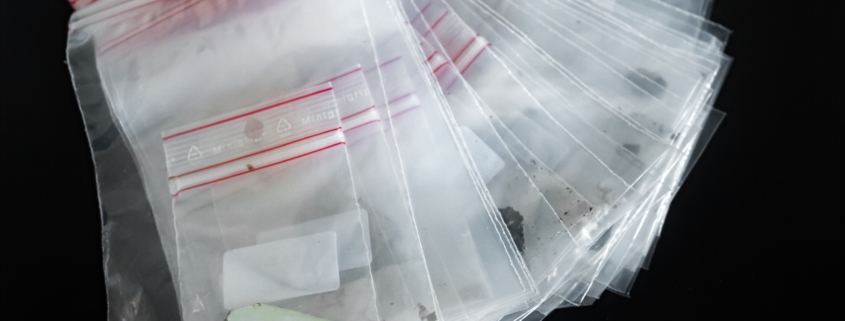
Conducting Asbestos Sampling

Asbestos in Home Building: What Every Homeowner Should Know

Asbestos is a naturally occurring mineral that was widely used in home construction from the early 1900s through the late 1970s. It was valued for its fire resistance and durability. Today, it is known to cause serious illness. Homes built before the 1980s may still contain it.

Asbestos was once considered a wonder material for home builders. It was cheap, durable, and fireproof. For decades, it was built into the walls, floors, and ceilings of American homes without a second thought. We now know that those same properties that made asbestos so useful also make it dangerous. In this blog, we will discuss what asbestos is, how it was used in residential construction, why it is no longer used today, and how Safer Homes Environmental can help with our asbestos inspection and indoor air quality services across New Hampshire, Northern Massachusetts, Eastern Vermont, and Southern Maine.

What Is Asbestos and What Does an Asbestos Inspection Look for in Older Homes?

Asbestos is a naturally occurring silicate mineral made up of thin, microscopic fibers. An asbestos inspection looks for building materials that may contain these fibers. Common locations include pipe insulation, floor tiles, popcorn ceilings, drywall joint compound, roofing felt, and attic insulation. In older homes, asbestos can appear almost anywhere a builder needed a fireproof or heat-resistant material.

Why Was Asbestos Used in Residential Construction for So Long?

Asbestos was used because it was highly effective. It resisted heat, fire, and chemical damage. It also improved the durability of building products and provided strong acoustic and thermal insulation. Builders and manufacturers relied on it heavily during post World War II housing booms, when new homes were being built quickly and affordably across the country. For most of the 20th century, it was considered a safe and practical choice.

When Did Homes Stop Using Asbestos in Construction?

Asbestos use in home building began to decline in the 1970s as health concerns became widely recognized. The U.S. Environmental Protection Agency (EPA) began restricting specific asbestos-containing products starting in 1973. Most building material manufacturers had phased out asbestos by the early 1980s. However, homes built or renovated before that period may still contain asbestos materials that were never removed.

What Are the Health Risks of Asbestos? Should You Get an Asbestos Inspection?

Asbestos is dangerous when its fibers become airborne and are inhaled. According to the National Institute for Occupational Safety and Health (NIOSH), there is no known safe level of asbestos exposure. Inhaled fibers can lodge in lung tissue and cause serious diseases, including mesothelioma, lung cancer, and asbestosis. These conditions often take decades to develop after exposure. You should consider an asbestos inspection if:

  • Your home was built before 1980. Older construction materials are far more likely to contain asbestos.
  • You are planning a renovation. Drilling, cutting, or removing older materials can release fibers into the air.
  • You have noticed damaged insulation, ceiling materials, or floor tiles. Deteriorating asbestos-containing materials pose a higher risk.
  • You recently purchased an older home. A professional asbestos inspection gives you a clear picture of what you are working with.

You cannot identify asbestos by sight. Lab testing is required to confirm its presence.

Schedule an Asbestos Inspection with Safer Homes Environmental in New Hampshire

Safer Homes Environmental has been providing state-certified asbestos inspections, asbestos testing, and indoor air quality assessments across New Hampshire since 2019. Our team also serves homeowners in Northern Massachusetts, Eastern Vermont, and Southern Maine. Whether you are planning a renovation or simply want peace of mind, we can help you understand what is in your home.

Contact us today at (603) 854-2264 or visit saferhomesenvironmentalnh.com to schedule your asbestos inspection.

Frequently Asked Questions

What is asbestos, and why is it dangerous in homes?
Asbestos is a naturally occurring mineral fiber used in home building materials throughout most of the 20th century. It becomes dangerous when its fibers are disturbed and released into the air. Inhaling these fibers over time can lead to serious lung diseases, including mesothelioma and asbestosis.

What homes are most likely to contain asbestos?
Homes built before 1980 carry the highest risk. Asbestos was commonly used in insulation, floor tiles, ceiling textures, drywall compound, roofing materials, and pipe wrap during that era. Even some homes built into the mid 1980s may contain asbestos if older materials were still in supply.

How do I know if my home has asbestos?
You cannot identify asbestos by visual inspection alone. A licensed asbestos inspector must collect material samples, which are then sent to an accredited laboratory for testing. This is the only reliable way to confirm the presence of asbestos-containing materials.

Is asbestos still used in home construction today?
Asbestos is no longer used in most residential building materials in the United States. The EPA has banned specific products and continues to pursue broader restrictions. However, asbestos still exists in millions of older homes and has not been completely eliminated from all imported materials.

When should I get an asbestos inspection?
An asbestos inspection is recommended before any renovation or demolition work in a home built before 1980. It is also advisable if you notice damaged insulation, crumbling ceiling materials, or deteriorating floor tiles. Asbestos testing is a critical step in protecting your household’s indoor air quality.

child touching dangerous item with lead in it

Crucial Signs of Lead Poisoning in Children

Lead poisoning often develops quietly, which makes it one of the more concerning health risks for young children in older New England homes. As parents and caregivers, you want to spot trouble early, and knowing what to look for puts you in a stronger position to protect your family. This topic matters because lead can affect a child’s growth, learning, and overall health before any clear signs appear. At Safer Homes Environmental Services, LLC, we are based in New Hampshire and serve families across the state, along with Northern Massachusetts, Eastern Vermont, and Southern Maine. This guide walks you through the common signs, the everyday exposure sources, and the practical steps you can take if you suspect a problem.

What are the signs and symptoms of lead poisoning in children?

The signs of lead poisoning in children can be subtle and easy to miss. Many children show no obvious immediate symptoms at all, which is why awareness is so important. When symptoms do appear, they may affect different parts of a growing body. Watch for changes that seem out of character for your child.

  • Brain and nervous system effects. Lead exposure can interfere with how the brain and nervous system develop, sometimes affecting attention and behavior.
  • Slowed growth and development. Some children may fall behind on expected milestones for their age.
  • Learning and behavior changes. You might notice trouble focusing, irritability, or new difficulties at school.
  • Hearing and speech concerns. Lead can also affect a child’s ability to hear and communicate clearly.

Because these signs overlap with many ordinary childhood changes, testing is the most reliable way to know for sure.

Where does childhood lead poisoning usually come from?

Most lead poisoning in children traces back to common sources found in and around the home. Lead dust is one of the leading culprits, since young children often put their hands and toys in their mouths. Older properties throughout New England raise extra concern, especially during renovation projects that disturb aging surfaces.

  • Older paint and paint dust. Homes built decades ago may still contain lead-based paint that breaks down over time.
  • Soil and water. Lead can settle into soil near older structures or enter water through aging plumbing.
  • Toys and imported items. Some painted or coated products can carry lead.
  • Renovation activity. Sanding, scraping, and demolition can release lead dust into your living space and lower your indoor air quality.

A professional home inspection can help identify these hidden sources before they affect your family.

What should I do if I suspect lead poisoning in my child?

If you suspect lead poisoning, start by contacting your child’s healthcare provider, who can arrange a blood lead test. From there, a simple process helps you take control of the situation.

  1. Talk to your provider. Share your concerns and ask about blood lead testing for your child.
  2. Identify the source. Consider a professional lead inspection and a related environmental assessment to pinpoint where exposure may be coming from.
  3. Reduce contact. Keep children away from suspected areas, clean up dust often, and pause renovation work until you know more.

Our team offers non-invasive, chemical-free lead testing and assessments that give you clear, useful information without disrupting your home.

How does professional testing help protect my family?

Professional testing gives you facts you can act on, which is the heart of preventing further lead poisoning. A trained inspector can evaluate paint, dust, soil, and other suspected sources while also reviewing your indoor air quality. This kind of clarity helps you make confident decisions about cleanup, repairs, and daily habits. Catching exposure early supports healthier growth, steadier learning, and stronger long-term wellbeing for your child.

Schedule a Lead Inspection With Safer Homes Environmental in New England

Understanding lead poisoning starts with knowing the signs, the sources, and the right next steps. Safer Homes Environmental Services, LLC focuses on careful, non-invasive lead testing, lead inspection, and indoor air quality assessments built around your family’s safety. We proudly serve homes across New Hampshire, Northern Massachusetts, Eastern Vermont, and Southern Maine. To learn more and put your mind at ease, contact our team online or by phone today.

Top 5 Areas in Your Home to Check for Mold Growth

Mold growth can affect your home inspection results, your indoor air quality, and your family’s comfort, so it is worth checking for it on a regular basis. In homes across New Hampshire, Northern Massachusetts, Eastern Vermont, and Southern Maine, changing seasons, damp basements, and everyday moisture can all create the right conditions for mold. Knowing where mold tends to grow helps you spot problems early and avoid larger repairs later. In this blog, we will look at five common areas to inspect and how Safer Homes Environmental, based in New Hampshire, can help with mold inspection and mold testing when concerns come up.

Why do bathrooms often develop mold first?

Bathrooms are one of the most common places for mold because they stay warm and damp. Steam from showers can collect on ceilings, walls, grout, and around windows. Exhaust fans that do not vent well can make the problem worse. During a routine check, look for discoloration, peeling paint, and musty smells near tubs, sinks, and toilet bases.

What should you check in the basement or crawl space?

Basements and crawl spaces often hold moisture for long periods, especially after rain or snowmelt. Small leaks, foundation seepage, and poor airflow can all lead to hidden mold growth on wood, drywall, and stored items. If a space smells earthy or feels humid, that is a sign to take a closer look. These lower areas can also affect indoor air quality throughout the rest of the house.

Can attics have mold even if they look dry?

Yes, attics can grow mold even when there is no obvious leak. Poor ventilation, roof issues, and insulation problems can trap moisture over time. Check the underside of the roof decking, around vents, and near chimney or pipe penetrations. Staining or dark patches in these areas may point to a moisture issue that needs attention.

Why are windows and exterior walls common problem spots?

Windows and exterior walls are exposed to temperature changes that can create condensation. Over time, that moisture can collect around trim, sills, and inside wall cavities. You may notice bubbling paint, warped trim, or a faint musty odor. These signs are easy to miss, which is why they are worth including in any home inspection routine.

Where else should you look for hidden mold in the home?

Kitchens and laundry areas are also important because appliances and plumbing lines can leak slowly without being noticed right away. Check under sinks, behind washing machines, around dishwashers, and near refrigerator water lines.

A simple prevention routine can help:

  • Keep humidity under control with proper ventilation and dehumidification.
  • Fix leaks quickly before moisture spreads into building materials.
  • Clean and dry damp areas as soon as possible.
  • Watch for recurring odors that may point to hidden growth.

When should you schedule mold testing or a mold inspection?

You should consider mold testing or a mold inspection when you notice repeated moisture issues, musty smells, visible staining, or health symptoms that seem worse at home. Professional testing can help confirm whether mold is present and whether indoor air quality has been affected. It is also useful before major renovations or after water damage. The goal is to move from suspicion to clear answers.

Safer Homes Environmental: Trusted Help for Mold Concerns in your Home

At Safer Homes Environmental, we help homeowners understand what may be affecting their living space through mold inspection, mold testing, and indoor air quality services. Based in New Hampshire and serving Northern Massachusetts, Eastern Vermont, and Southern Maine, we provide clear information so you can make informed decisions about your home. Regular checks in key areas can help you catch mold early, protect your property, and support a healthier indoor environment. If you have concerns about mold growth, reach out to Safer Homes Environmental to learn more about your inspection options.

Why You Need an Asbestos Inspection for Your Rental Property

Investing in a rental property brings exciting opportunities, but it also requires careful planning to protect your future tenants. Before you finalize any purchase, scheduling a thorough home inspection is a critical step to ensure the space is safe and ready for occupancy. Hidden hazards like asbestos can completely compromise the indoor air quality of a building and put residents at risk. As a landlord, you hold a responsibility to provide a secure living space for the people who rent from you. We are based in New Hampshire and proudly serve Northern Massachusetts, Eastern Vermont, and Southern Maine with expert environmental services. In this guide, we will explore why you need proper asbestos testing before renting out a home and how our team at Safer Homes Environmental can help you create a secure living environment.

Why is asbestos testing necessary before buying a rental property?

Getting reliable asbestos testing is necessary because it reveals hidden dangers that a standard walkthrough might miss. Many older properties contain this hazardous material in insulation, flooring, and roofing. When these materials degrade or face disturbance during renovations, dangerous fibers enter the air space. Breathing in these fibers creates severe health risks for anyone living inside. Knowing exactly what is inside your property allows you to fix problems before tenants move in. Ignoring these potential hazards can lead to significant legal complications and unexpected repair costs down the road. By identifying these risks early, you protect both your investment and the people who call it home.

How do asbestos surveys protect indoor air quality for tenants?

Comprehensive asbestos surveys protect indoor air quality by pinpointing the exact locations of toxic materials before they become airborne. Clean air is a basic expectation for any renter, and tenants want to feel secure in their homes. When you hire professionals to survey the building, we systematically evaluate every room to ensure the environment remains pristine. A professional survey provides several key benefits for your property:

  • Pinpoints hidden hazards behind walls and under floors.
  • Prevents accidental exposure during future repairs.
  • Gives you a clear roadmap for safe removal if needed.
  • Offers peace of mind for you and your future renters.

Providing a space that has been professionally evaluated builds trust and enduring relationships with your renters. This proactive approach keeps the atmosphere clean and safe for everyone.

What happens during a professional home inspection for asbestos?

A specialized home inspection for hazardous materials involves a careful and thorough evaluation of the entire building. Our team arrives and visually examines areas known to harbor dangerous components. We take small material samples using safe and proven methods that prevent any fiber release. We always use techniques that do not cause damage to your prospective property. These samples then go to a laboratory for precise analysis. Once the results are ready, we walk you through the findings step by step. If we discover any issues, we help you understand the best ways to address them so you can move forward with your rental business safely.

How can Safer Homes Environmental help with your rental property?

Ensuring the safety of your rental property is much easier when you have trusted experts by your side. At Safer Homes Environmental, we provide the reliable testing and surveys you need to protect your investment and maintain excellent indoor air quality. We proudly operate out of New Hampshire and extend our services to property owners across Northern Massachusetts, Eastern Vermont, and Southern Maine. Whether you are buying your first rental home or expanding a large portfolio, we are here to support your goals with accurate and honest environmental assessments. Contact us today to schedule your consultation and secure a safe environment for your future tenants.

sample of asbestos material from building

Understanding The Benefits Of An Asbestos Survey For Your Home

An asbestos survey is a comprehensive inspection performed to identify the presence and condition of materials that may contain hazardous fibers. This process is essential because older properties throughout New England often feature building materials that pose health risks if they are disturbed during renovations or repairs. Identifying these materials helps you maintain a healthy living environment and ensures compliance with safety regulations. In this blog, we will discuss the steps involved in the process and how Safer Homes Environmental can help with our asbestos testing services in New Hampshire and Massachusetts.

Why is asbestos testing important before starting a home renovation?

Professional asbestos testing (Industry Term: Hazardous Material Assessment) provides a clear picture of potential risks before you begin any demolition or construction work in your living space. Many common items, like floor tiles or pipe insulation, can release dangerous dust into the air when they are broken or sanded. Knowing the status of these materials prevents accidental exposure for you and your family. We use specialized techniques to ensure that every suspicious area is checked thoroughly. This proactive approach allows you to plan your project with confidence while prioritizing safety.

What happens during a professional asbestos survey?

During a professional asbestos survey (Industry Term: Visual Inspection and Bulk Sampling), an expert walks through the property to locate and document all materials that might be dangerous. The process follows a systematic method to ensure no area is overlooked during the evaluation.

The inspector identifies materials that might contain minerals like chrysotile or amosite based on the age and construction of the house. From here:


  • Small pieces of material are carefully collected and sent to a laboratory for microscopic analysis to confirm the presence of fibers.


  • A final report is generated to outline the findings and provide guidance on how to manage any identified hazards.


Understanding these steps helps you prepare for the inspection and know what to expect from the results.

When should homeowners schedule an asbestos survey?

You should schedule an asbestos survey whenever you plan to disturb the structural integrity of a home built before modern safety standards were established. This is especially true for residents in historical areas where original building components are still intact. Keep in mind:

  • Planning a kitchen or bathroom remodel often requires checking behind walls or under old flooring.


  • Purchasing a new property involves assessing the indoor environment to avoid unexpected remediation costs later.


  • Repairing damage from water or fire can uncover hidden layers of old insulation that require professional evaluation.


Taking these steps ensures that your home remains a sanctuary rather than a source of health concerns.

How does a comprehensive asbestos survey protect your long-term health?

A comprehensive asbestos survey serves as a vital safeguard by preventing the inhalation of invisible fibers that cause respiratory issues. Successful identification allows for proper containment or removal before any hazardous particles enter your ventilation system. We focus on providing detailed insights that help you make informed decisions about the maintenance of your property. Our goal is to ensure that every homeowner has access to clear and accurate information regarding their indoor air quality. Following the recommendations in your report will lead to a safer living space for years to come.

Trust Safer Homes Environmental For Expert Inspections In New Hampshire and Massachusetts

Safer Homes Environmental holds extensive expertise in solving complex indoor air quality challenges with the specialized services we provide. We help homeowners in New Hampshire and Massachusetts identify hidden risks to ensure their living environments are clean and secure. Our team is dedicated to providing thorough evaluations that offer you complete peace of mind during any home improvement project. To learn more about asbestos testing and get started today, contact Safer Homes Environmental online or by phone.

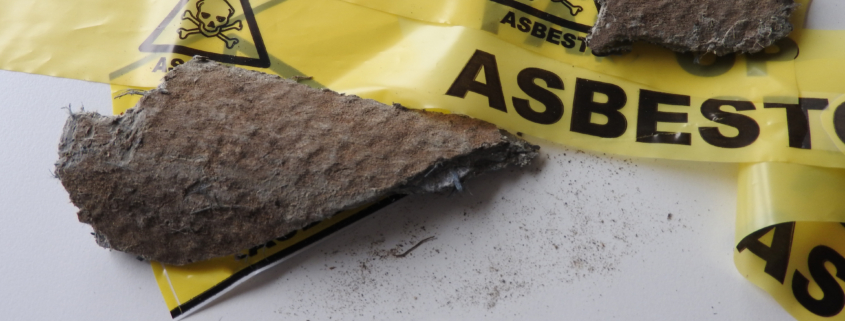
asbestos caution tape and material sample

Key Signs of Asbestos Exposure

Asbestos is a hidden hazard that can still be found in many older homes and buildings. The danger is that exposure often goes unnoticed for years before symptoms appear. Breathing in asbestos fibers can lead to serious health problems, so recognizing early warning signs is important. Here are the key signs of asbestos exposure that you should watch out for.

How to Recognize the Signs of Asbestos Exposure

Shortness of Breath

One of the first signs of asbestos exposure is difficulty breathing, especially during physical activity. Over time, scar tissue can form in the lungs, making it harder for air to move in and out. This symptom often develops slowly and gets worse as the damage progresses.

Persistent Dry Cough

A lingering cough that won’t go away, even when you’re not sick, is another common sign. The fibers that settle in your lungs can cause ongoing irritation, leading to a dry, hacking cough that becomes more noticeable over time.

Chest Pain or Tightness

Asbestos exposure can cause a feeling of pressure or tightness in the chest. You may also experience mild pain or discomfort that worsens when you take deep breaths. This can happen as the lung tissue becomes inflamed or stiff.

Crackling Sounds or Wheezing

Some people develop a crackling sound in their lungs when they breathe in, known as “rales.” Others may notice wheezing or shortness of breath. These changes are signs that the lungs are under stress and may have developed scarring or irritation.

Fatigue, Weight Loss, and Loss of Appetite

Because asbestos affects your ability to take in oxygen, your body must work harder to function. This can lead to ongoing fatigue, decreased appetite, and even unexplained weight loss. Over time, these symptoms may worsen and make it harder to carry out everyday activities.

Delayed Onset

One of the most challenging aspects of asbestos exposure is that symptoms can take years or even decades to appear. This is why regular health checkups and environmental testing are important, especially if you live or work in an older property.

What to Do If You Notice These Signs

If you’ve been exposed to asbestos or suspect it may be present in your home, don’t wait. Talk to your doctor about your symptoms and request a health screening. It’s also important to have your property tested by professionals who specialize in environmental safety to confirm whether asbestos is present and determine the next steps.

Safe Homes Start with Reliable Testing

Asbestos exposure is serious, but early testing and professional help can make all the difference. At Safer Homes Environmental, we provide trusted home and environmental safety testing to identify hazards before they become health risks. Our certified team uses the latest methods to deliver accurate results and peace of mind. When it comes to protecting your home and your health, we’re here to help keep you safe. Connect with us today for more information about our indoor air quality testing, mold inspection, and asbestos testing services.

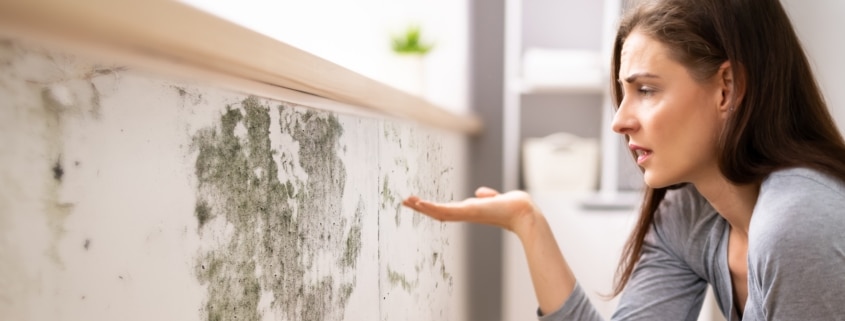
woman looking at mold growth

The Top 5 Things You Should Know About Mold

As a homeowner, the last thing you want to encounter is mold. But did you know that mold growth may be more common than you’d think? With so many opportunities to encounter these harmful spores, it is more important than ever to understand how exactly mold can affect your home and health. Here, we’ve broken down 5 of the top need-to-know facts about household mold.

Mold Needs Moisture

If you’ve ever found mold in your home, you’ve likely spotted it in places like your shower, under your sink, or in your kitchen. This is because mold requires consistent water and moisture to flourish. So, the parts of your home that are more significantly exposed to water tend to be the places where mold growth runs rampant.

Mold Can Grow Within 24-48 Hours In Your Home

Yes, it can happen that quickly! However, you likely won’t be able to see the mold growing at this stage. You will likely begin to notice mold in water-damaged or excessively humid areas around three weeks after exposure. Since the process happens so fast, it is important to address any leaks or floods in your house as soon as possible. 

Mold Produces Harmful Airborne Toxins

You don’t have to physically touch mold to suffer the effects of it. Breathing in mold spores can be incredibly harmful to your health, especially if you already have preexisting conditions. You may experience allergy-like symptoms, such as wheezing and coughing. Others may develop adverse lung problems, like pneumonia, which can greatly impact your health for the rest of your life.

There Are Only 5 Types of Mold That Tend To Grow Indoors

Though there are thousands of different mold species across the world, household mold can typically be narrowed down to the following five:

  • Penicillium: a blue-green mold typically found in insulated areas like rugs and carpet.
  • Aspergillus: a very common type of mold with a grey, brown, yellow, or white appearance.
  • Stachybotrys: the infamous “black mold” that can affect both mental and physical health.
  • Cladosporium: a type of mold that can grow in cooler temperatures and climates.

Keep an eye out for these mold types in your home. If you see any signs, always reach out to an environmental services resource like Safer Homes as soon as possible.

Mold Inspections Can Boost Your Property Value

There is nothing prospective homeowners love more than a certifiably mold-free home. Getting a mold inspection before you sell your home can help you address any mold-related issues well before a buyer may encounter them. Having a positive mold inspection ahead of selling a home is also a great negotiation tool, as it leaves room for the seller to benefit from concessions like no contingencies or even competing bids. 

Safer Homes Environmental offers indoor air quality management services such as mold sampling and testing, and microbial investigations. We also offer useful services like Relative Humidity Testing, which identifies the level of moisture in the air. These services and more can offer your family comfort and peace of mind as you live in your home, and potential buyers the confidence of knowing their new home can keep them safe.

Reach out to us today for a consultation.

Extreme Humidity Levels and How They Can Affect Your Home

Feeling the heat in New England this summer? If you’ve been struggling with the humidity this summer, you aren’t the only one. In early July, the Globe reported that, “New England is on pace for one of the most humid summers on record […] As climate change continues to warm the atmosphere,” Ken Mahan, a staff writer at the paper wrote, “the air can now simply hold more moisture, and we’re feeling the impacts — more tropical and uncomfortable days, more frequent storms, and an increasing vulnerability to more extreme events […] We should get used to this because summers are becoming hotter and wetter for longer, with more rain and snow likely in the winter.”

The truth of the matter is this: if you’re feeling bogged down by the NE humidity levels, you’re home is likely experiencing similar stress. At Safer Homes Environmental, we’ve created a guide on how this summer’s extreme humidity affects your home, and how you can protect yourself from the muggier days ahead. 

What Extreme Levels of Humidity Can Do to Your New England Home

Though each component of your home is built and designed to withstand any weather condition, from harsh rainstorms and hot summer days to frigid temperatures and ice-cold snow, humidity can still degrade the health of your home over time. It can:

  • Lead to excessive mold & mildew growth
  • Damage your home’s wallpaper
  • Damage your home’s wood floors
  • Cause moisture to settle into your home’s foundation, which can cause swelling.
  • Reduce your home’s air quality.
  • Make your home feel “damp” and uncomfortable.

Overall, excessively humid temperatures can have a drastic impact on your property and quality of life, creating problems that can be costly and time-consuming to fix.

How to Take Action Against Extreme Levels of Humidity

Unfortunately, there’s no way for you to control the outdoor temperatures, but there are a few ways you can reduce humidity levels in your home to protect your property and your health. Consider:

  • Using a dehumidifier.
  • Keeping your windows closed! You can use fans or your HVAC system to increase airflow.
  • Turning on fans before and after cooking and showering to decrease humidity levels.
  • Checking your home’s insulation to see if it’s in good shape. Poor insulation can lead to structural damage, which can increase humidity levels in your home.

Recovering From This Summer’s Humidity? Contact Safer Homes Environmental for a Relative Humidity Testing Service Today!

Since 2021, Safer Homes Environmental has provided hazardous testing services to homes in New Hampshire & Massachusetts. To learn more about our relative humidity testing services today, contact us on our website or call us at (603) 854-2264

How to Reduce Your Home’s Mold Growth in the Summer

Are you excited for the upcoming summer season? So is your home’s mold. In extremely hot temperatures, with humidity levels over 80%, mold loves to grow. If left unchecked, it could lead to serious damage to your home and various health risks.

When trying to reduce or prevent mold growth in your home, here are a few strategies to consider:

Identify common areas for mold growth

Mold tends to grow in moist areas like steamy bathrooms, damp basements, and kitchens. Without proper ventilation or cleanup, these spots can become the perfect breeding ground for spores. So, make sure to monitor these areas regularly to prevent mold growth. During summer, you can also check around areas that have direct exposure to moisture like your windows and doors.

Check hidden areas

Areas such as attics and basements are not utilized daily and it’s easy to overlook them. This may cause a buildup of mold, which may go undetected for long periods. Inspect and clean up these areas regularly.

Use a humidifier

Monitor the humidity level in your home and keep it below 60%. You can achieve this by using dehumidifiers, particularly in damp areas like basements and bathrooms.

Fix leaking pipes

Make sure to fix leaks around your home, no matter how small they are. Some leaks are not that conspicuous but you can identify a potential leak by checking for  drywalls, wet spots, and irregular water bills.

Keep your gutters clean

You should have a routine for cleaning your gutters to prevent moisture buildup. Check your drainage pipe regularly to ensure there are no clogs or mold already building up in it.

Improve Ventilation

Basic techniques like keeping your space well ventilated will go a long way to prevent mold from sprouting. By using exhaust fans, especially in moisture-prone areas like the bathrooms and kitchens, you can keep the airing around you fresh and clean. Attics and crawl spaces are often overlooked, but these places need to have good air circulation. Cross ventilation is important to decrease the moisture in the air and ultimately reduce the humidity level of your home. You can open your windows and doors occasionally to regulate air moisture levels.

Maintain HVAC systems

Another way to remove your home’s moisture is by using an air conditioner. Air conditioners are generally effective for introducing cooler air and reducing the mustiness in the atmosphere. However, this can be counterproductive if your HVAC systems are not properly maintained. Therefore, make sure to clean and replace filters regularly. 

Ready to Get Rid of Your Home’s Mold Growth? Contact Safer Homes Environmental Today!

Safer Homes can assist you if you’re looking to reduce the mold growth in your home! We provide a wide range of effective mold prevention services that will help maintain the structural integrity of your home.