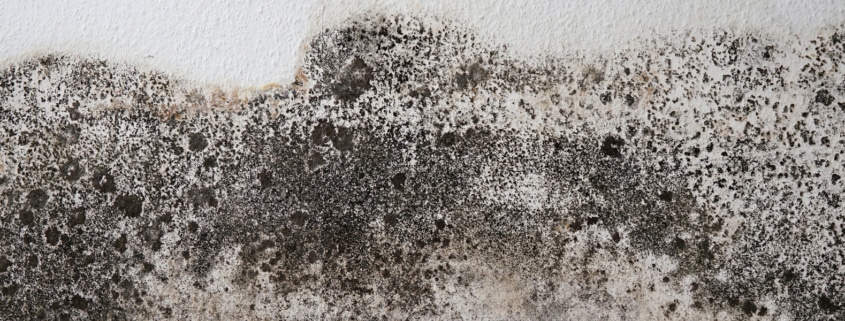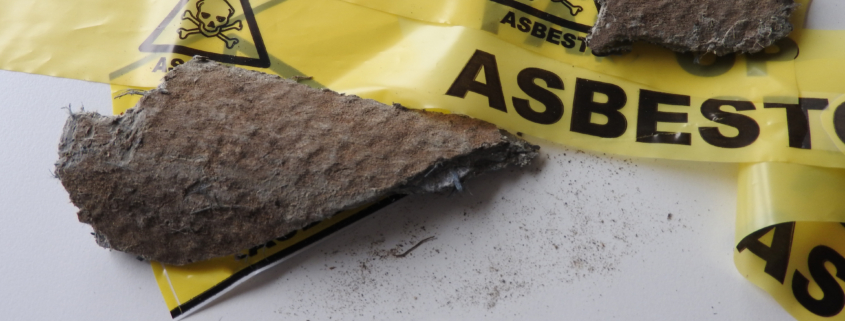
asbestos caution tape and material sample

Key Signs of Asbestos Exposure

Asbestos is a hidden hazard that can still be found in many older homes and buildings. The danger is that exposure often goes unnoticed for years before symptoms appear. Breathing in asbestos fibers can lead to serious health problems, so recognizing early warning signs is important. Here are the key signs of asbestos exposure that you should watch out for.

How to Recognize the Signs of Asbestos Exposure

Shortness of Breath

One of the first signs of asbestos exposure is difficulty breathing, especially during physical activity. Over time, scar tissue can form in the lungs, making it harder for air to move in and out. This symptom often develops slowly and gets worse as the damage progresses.

Persistent Dry Cough

A lingering cough that won’t go away, even when you’re not sick, is another common sign. The fibers that settle in your lungs can cause ongoing irritation, leading to a dry, hacking cough that becomes more noticeable over time.

Chest Pain or Tightness

Asbestos exposure can cause a feeling of pressure or tightness in the chest. You may also experience mild pain or discomfort that worsens when you take deep breaths. This can happen as the lung tissue becomes inflamed or stiff.

Crackling Sounds or Wheezing

Some people develop a crackling sound in their lungs when they breathe in, known as “rales.” Others may notice wheezing or shortness of breath. These changes are signs that the lungs are under stress and may have developed scarring or irritation.

Fatigue, Weight Loss, and Loss of Appetite

Because asbestos affects your ability to take in oxygen, your body must work harder to function. This can lead to ongoing fatigue, decreased appetite, and even unexplained weight loss. Over time, these symptoms may worsen and make it harder to carry out everyday activities.

Delayed Onset

One of the most challenging aspects of asbestos exposure is that symptoms can take years or even decades to appear. This is why regular health checkups and environmental testing are important, especially if you live or work in an older property.

What to Do If You Notice These Signs

If you’ve been exposed to asbestos or suspect it may be present in your home, don’t wait. Talk to your doctor about your symptoms and request a health screening. It’s also important to have your property tested by professionals who specialize in environmental safety to confirm whether asbestos is present and determine the next steps.

Safe Homes Start with Reliable Testing

Asbestos exposure is serious, but early testing and professional help can make all the difference. At Safer Homes Environmental, we provide trusted home and environmental safety testing to identify hazards before they become health risks. Our certified team uses the latest methods to deliver accurate results and peace of mind. When it comes to protecting your home and your health, we’re here to help keep you safe. Connect with us today for more information about our indoor air quality testing, mold inspection, and asbestos testing services.
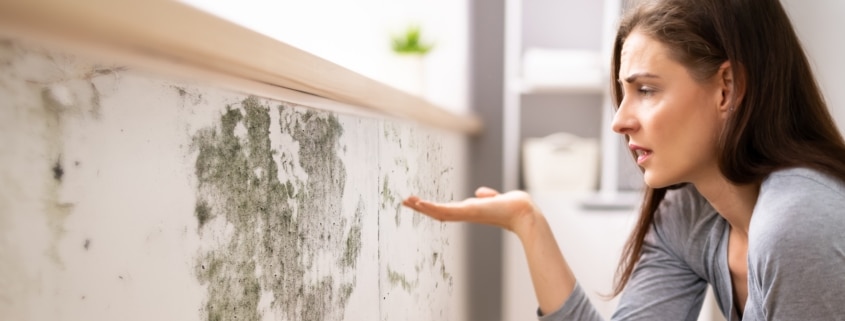
woman looking at mold growth

The Top 5 Things You Should Know About Mold

As a homeowner, the last thing you want to encounter is mold. But did you know that mold growth may be more common than you’d think? With so many opportunities to encounter these harmful spores, it is more important than ever to understand how exactly mold can affect your home and health. Here, we’ve broken down 5 of the top need-to-know facts about household mold.

Mold Needs Moisture

If you’ve ever found mold in your home, you’ve likely spotted it in places like your shower, under your sink, or in your kitchen. This is because mold requires consistent water and moisture to flourish. So, the parts of your home that are more significantly exposed to water tend to be the places where mold growth runs rampant.

Mold Can Grow Within 24-48 Hours In Your Home

Yes, it can happen that quickly! However, you likely won’t be able to see the mold growing at this stage. You will likely begin to notice mold in water-damaged or excessively humid areas around three weeks after exposure. Since the process happens so fast, it is important to address any leaks or floods in your house as soon as possible. 

Mold Produces Harmful Airborne Toxins

You don’t have to physically touch mold to suffer the effects of it. Breathing in mold spores can be incredibly harmful to your health, especially if you already have preexisting conditions. You may experience allergy-like symptoms, such as wheezing and coughing. Others may develop adverse lung problems, like pneumonia, which can greatly impact your health for the rest of your life.

There Are Only 5 Types of Mold That Tend To Grow Indoors

Though there are thousands of different mold species across the world, household mold can typically be narrowed down to the following five:

  • Penicillium: a blue-green mold typically found in insulated areas like rugs and carpet.
  • Aspergillus: a very common type of mold with a grey, brown, yellow, or white appearance.
  • Stachybotrys: the infamous “black mold” that can affect both mental and physical health.
  • Cladosporium: a type of mold that can grow in cooler temperatures and climates.

Keep an eye out for these mold types in your home. If you see any signs, always reach out to an environmental services resource like Safer Homes as soon as possible.

Mold Inspections Can Boost Your Property Value

There is nothing prospective homeowners love more than a certifiably mold-free home. Getting a mold inspection before you sell your home can help you address any mold-related issues well before a buyer may encounter them. Having a positive mold inspection ahead of selling a home is also a great negotiation tool, as it leaves room for the seller to benefit from concessions like no contingencies or even competing bids. 

Safer Homes Environmental offers indoor air quality management services such as mold sampling and testing, and microbial investigations. We also offer useful services like Relative Humidity Testing, which identifies the level of moisture in the air. These services and more can offer your family comfort and peace of mind as you live in your home, and potential buyers the confidence of knowing their new home can keep them safe.

Reach out to us today for a consultation.

Extreme Humidity Levels and How They Can Affect Your Home

Feeling the heat in New England this summer? If you’ve been struggling with the humidity this summer, you aren’t the only one. In early July, the Globe reported that, “New England is on pace for one of the most humid summers on record […] As climate change continues to warm the atmosphere,” Ken Mahan, a staff writer at the paper wrote, “the air can now simply hold more moisture, and we’re feeling the impacts — more tropical and uncomfortable days, more frequent storms, and an increasing vulnerability to more extreme events […] We should get used to this because summers are becoming hotter and wetter for longer, with more rain and snow likely in the winter.”

The truth of the matter is this: if you’re feeling bogged down by the NE humidity levels, you’re home is likely experiencing similar stress. At Safer Homes Environmental, we’ve created a guide on how this summer’s extreme humidity affects your home, and how you can protect yourself from the muggier days ahead. 

What Extreme Levels of Humidity Can Do to Your New England Home

Though each component of your home is built and designed to withstand any weather condition, from harsh rainstorms and hot summer days to frigid temperatures and ice-cold snow, humidity can still degrade the health of your home over time. It can:

  • Lead to excessive mold & mildew growth
  • Damage your home’s wallpaper
  • Damage your home’s wood floors
  • Cause moisture to settle into your home’s foundation, which can cause swelling.
  • Reduce your home’s air quality.
  • Make your home feel “damp” and uncomfortable.

Overall, excessively humid temperatures can have a drastic impact on your property and quality of life, creating problems that can be costly and time-consuming to fix.

How to Take Action Against Extreme Levels of Humidity

Unfortunately, there’s no way for you to control the outdoor temperatures, but there are a few ways you can reduce humidity levels in your home to protect your property and your health. Consider:

  • Using a dehumidifier.
  • Keeping your windows closed! You can use fans or your HVAC system to increase airflow.
  • Turning on fans before and after cooking and showering to decrease humidity levels.
  • Checking your home’s insulation to see if it’s in good shape. Poor insulation can lead to structural damage, which can increase humidity levels in your home.

Recovering From This Summer’s Humidity? Contact Safer Homes Environmental for a Relative Humidity Testing Service Today!

Since 2021, Safer Homes Environmental has provided hazardous testing services to homes in New Hampshire & Massachusetts. To learn more about our relative humidity testing services today, contact us on our website or call us at (603) 854-2264

How to Reduce Your Home’s Mold Growth in the Summer

Are you excited for the upcoming summer season? So is your home’s mold. In extremely hot temperatures, with humidity levels over 80%, mold loves to grow. If left unchecked, it could lead to serious damage to your home and various health risks.

When trying to reduce or prevent mold growth in your home, here are a few strategies to consider:

Identify common areas for mold growth

Mold tends to grow in moist areas like steamy bathrooms, damp basements, and kitchens. Without proper ventilation or cleanup, these spots can become the perfect breeding ground for spores. So, make sure to monitor these areas regularly to prevent mold growth. During summer, you can also check around areas that have direct exposure to moisture like your windows and doors.

Check hidden areas

Areas such as attics and basements are not utilized daily and it’s easy to overlook them. This may cause a buildup of mold, which may go undetected for long periods. Inspect and clean up these areas regularly.

Use a humidifier

Monitor the humidity level in your home and keep it below 60%. You can achieve this by using dehumidifiers, particularly in damp areas like basements and bathrooms.

Fix leaking pipes

Make sure to fix leaks around your home, no matter how small they are. Some leaks are not that conspicuous but you can identify a potential leak by checking for  drywalls, wet spots, and irregular water bills.

Keep your gutters clean

You should have a routine for cleaning your gutters to prevent moisture buildup. Check your drainage pipe regularly to ensure there are no clogs or mold already building up in it.

Improve Ventilation

Basic techniques like keeping your space well ventilated will go a long way to prevent mold from sprouting. By using exhaust fans, especially in moisture-prone areas like the bathrooms and kitchens, you can keep the airing around you fresh and clean. Attics and crawl spaces are often overlooked, but these places need to have good air circulation. Cross ventilation is important to decrease the moisture in the air and ultimately reduce the humidity level of your home. You can open your windows and doors occasionally to regulate air moisture levels.

Maintain HVAC systems

Another way to remove your home’s moisture is by using an air conditioner. Air conditioners are generally effective for introducing cooler air and reducing the mustiness in the atmosphere. However, this can be counterproductive if your HVAC systems are not properly maintained. Therefore, make sure to clean and replace filters regularly. 

Ready to Get Rid of Your Home’s Mold Growth? Contact Safer Homes Environmental Today!

Safer Homes can assist you if you’re looking to reduce the mold growth in your home! We provide a wide range of effective mold prevention services that will help maintain the structural integrity of your home.