
Top 5 Areas in Your Home to Check for Mold Growth
Mold growth can affect your home inspection results, your indoor air quality, and your family’s comfort, so it is worth checking for it on a regular basis. In homes across New Hampshire, Northern Massachusetts, Eastern Vermont, and Southern Maine, changing seasons, damp basements, and everyday moisture can all create the right conditions for mold. Knowing where mold tends to grow helps you spot problems early and avoid larger repairs later. In this blog, we will look at five common areas to inspect and how Safer Homes Environmental, based in New Hampshire, can help with mold inspection and mold testing when concerns come up.
Why do bathrooms often develop mold first?
Bathrooms are one of the most common places for mold because they stay warm and damp. Steam from showers can collect on ceilings, walls, grout, and around windows. Exhaust fans that do not vent well can make the problem worse. During a routine check, look for discoloration, peeling paint, and musty smells near tubs, sinks, and toilet bases.
What should you check in the basement or crawl space?
Basements and crawl spaces often hold moisture for long periods, especially after rain or snowmelt. Small leaks, foundation seepage, and poor airflow can all lead to hidden mold growth on wood, drywall, and stored items. If a space smells earthy or feels humid, that is a sign to take a closer look. These lower areas can also affect indoor air quality throughout the rest of the house.
Can attics have mold even if they look dry?
Yes, attics can grow mold even when there is no obvious leak. Poor ventilation, roof issues, and insulation problems can trap moisture over time. Check the underside of the roof decking, around vents, and near chimney or pipe penetrations. Staining or dark patches in these areas may point to a moisture issue that needs attention.
Why are windows and exterior walls common problem spots?
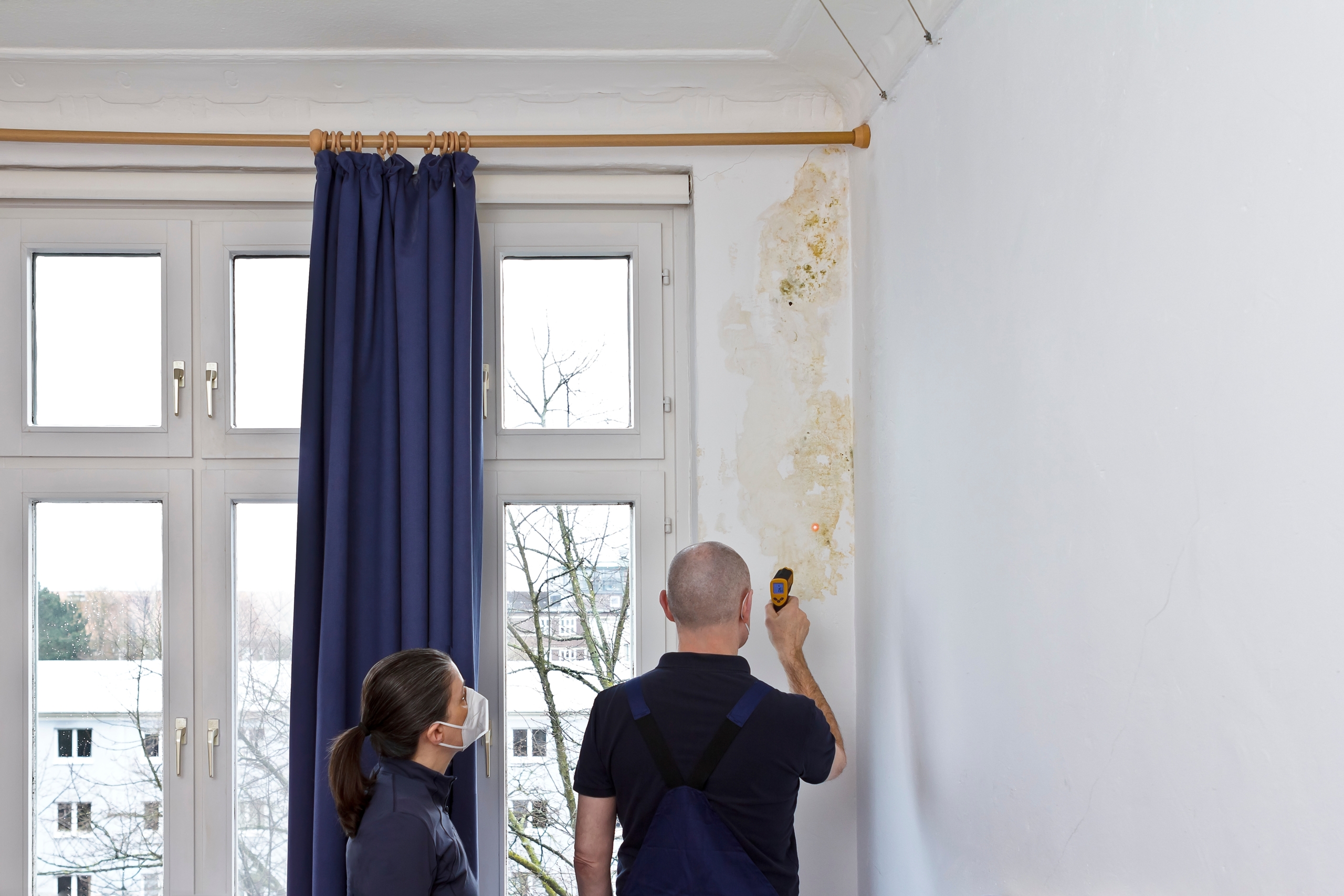
Windows and exterior walls are exposed to temperature changes that can create condensation. Over time, that moisture can collect around trim, sills, and inside wall cavities. You may notice bubbling paint, warped trim, or a faint musty odor. These signs are easy to miss, which is why they are worth including in any home inspection routine.
Where else should you look for hidden mold in the home?
Kitchens and laundry areas are also important because appliances and plumbing lines can leak slowly without being noticed right away. Check under sinks, behind washing machines, around dishwashers, and near refrigerator water lines.
A simple prevention routine can help:
- Keep humidity under control with proper ventilation and dehumidification.
- Fix leaks quickly before moisture spreads into building materials.
- Clean and dry damp areas as soon as possible.
- Watch for recurring odors that may point to hidden growth.
When should you schedule mold testing or a mold inspection?
You should consider mold testing or a mold inspection when you notice repeated moisture issues, musty smells, visible staining, or health symptoms that seem worse at home. Professional testing can help confirm whether mold is present and whether indoor air quality has been affected. It is also useful before major renovations or after water damage. The goal is to move from suspicion to clear answers.
Safer Homes Environmental: Trusted Help for Mold Concerns in your Home
At Safer Homes Environmental, we help homeowners understand what may be affecting their living space through mold inspection, mold testing, and indoor air quality services. Based in New Hampshire and serving Northern Massachusetts, Eastern Vermont, and Southern Maine, we provide clear information so you can make informed decisions about your home. Regular checks in key areas can help you catch mold early, protect your property, and support a healthier indoor environment. If you have concerns about mold growth, reach out to Safer Homes Environmental to learn more about your inspection options.
