child touching dangerous item with lead in it

Crucial Signs of Lead Poisoning in Children

Lead poisoning often develops quietly, which makes it one of the more concerning health risks for young children in older New England homes. As parents and caregivers, you want to spot trouble early, and knowing what to look for puts you in a stronger position to protect your family. This topic matters because lead can affect a child’s growth, learning, and overall health before any clear signs appear. At Safer Homes Environmental Services, LLC, we are based in New Hampshire and serve families across the state, along with Northern Massachusetts, Eastern Vermont, and Southern Maine. This guide walks you through the common signs, the everyday exposure sources, and the practical steps you can take if you suspect a problem.

What are the signs and symptoms of lead poisoning in children?

The signs of lead poisoning in children can be subtle and easy to miss. Many children show no obvious immediate symptoms at all, which is why awareness is so important. When symptoms do appear, they may affect different parts of a growing body. Watch for changes that seem out of character for your child.

  • Brain and nervous system effects. Lead exposure can interfere with how the brain and nervous system develop, sometimes affecting attention and behavior.
  • Slowed growth and development. Some children may fall behind on expected milestones for their age.
  • Learning and behavior changes. You might notice trouble focusing, irritability, or new difficulties at school.
  • Hearing and speech concerns. Lead can also affect a child’s ability to hear and communicate clearly.

Because these signs overlap with many ordinary childhood changes, testing is the most reliable way to know for sure.

Where does childhood lead poisoning usually come from?

Most lead poisoning in children traces back to common sources found in and around the home. Lead dust is one of the leading culprits, since young children often put their hands and toys in their mouths. Older properties throughout New England raise extra concern, especially during renovation projects that disturb aging surfaces.

  • Older paint and paint dust. Homes built decades ago may still contain lead-based paint that breaks down over time.
  • Soil and water. Lead can settle into soil near older structures or enter water through aging plumbing.
  • Toys and imported items. Some painted or coated products can carry lead.
  • Renovation activity. Sanding, scraping, and demolition can release lead dust into your living space and lower your indoor air quality.

A professional home inspection can help identify these hidden sources before they affect your family.

What should I do if I suspect lead poisoning in my child?

If you suspect lead poisoning, start by contacting your child’s healthcare provider, who can arrange a blood lead test. From there, a simple process helps you take control of the situation.

  1. Talk to your provider. Share your concerns and ask about blood lead testing for your child.
  2. Identify the source. Consider a professional lead inspection and a related environmental assessment to pinpoint where exposure may be coming from.
  3. Reduce contact. Keep children away from suspected areas, clean up dust often, and pause renovation work until you know more.

Our team offers non-invasive, chemical-free lead testing and assessments that give you clear, useful information without disrupting your home.

How does professional testing help protect my family?

Professional testing gives you facts you can act on, which is the heart of preventing further lead poisoning. A trained inspector can evaluate paint, dust, soil, and other suspected sources while also reviewing your indoor air quality. This kind of clarity helps you make confident decisions about cleanup, repairs, and daily habits. Catching exposure early supports healthier growth, steadier learning, and stronger long-term wellbeing for your child.

Schedule a Lead Inspection With Safer Homes Environmental in New England

Understanding lead poisoning starts with knowing the signs, the sources, and the right next steps. Safer Homes Environmental Services, LLC focuses on careful, non-invasive lead testing, lead inspection, and indoor air quality assessments built around your family’s safety. We proudly serve homes across New Hampshire, Northern Massachusetts, Eastern Vermont, and Southern Maine. To learn more and put your mind at ease, contact our team online or by phone today.

sample of asbestos material from building

Understanding The Benefits Of An Asbestos Survey For Your Home

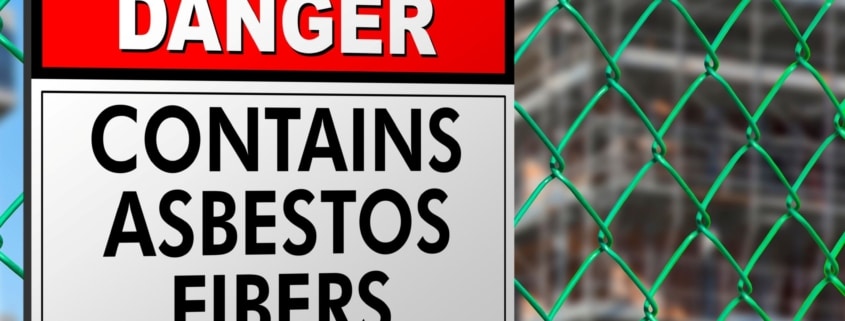
An asbestos survey is a comprehensive inspection performed to identify the presence and condition of materials that may contain hazardous fibers. This process is essential because older properties throughout New England often feature building materials that pose health risks if they are disturbed during renovations or repairs. Identifying these materials helps you maintain a healthy living environment and ensures compliance with safety regulations. In this blog, we will discuss the steps involved in the process and how Safer Homes Environmental can help with our asbestos testing services in New Hampshire and Massachusetts.

Why is asbestos testing important before starting a home renovation?

Professional asbestos testing (Industry Term: Hazardous Material Assessment) provides a clear picture of potential risks before you begin any demolition or construction work in your living space. Many common items, like floor tiles or pipe insulation, can release dangerous dust into the air when they are broken or sanded. Knowing the status of these materials prevents accidental exposure for you and your family. We use specialized techniques to ensure that every suspicious area is checked thoroughly. This proactive approach allows you to plan your project with confidence while prioritizing safety.

What happens during a professional asbestos survey?

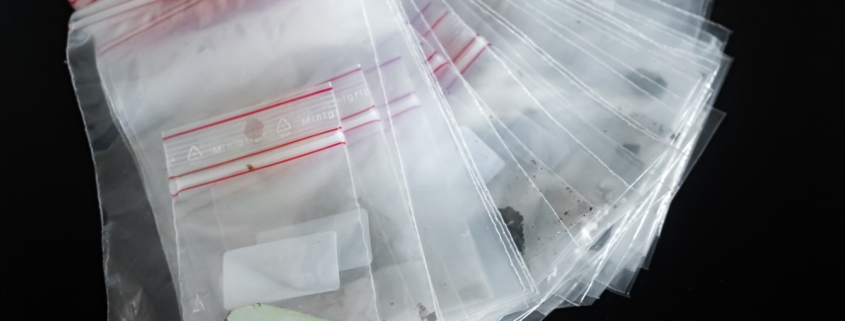
During a professional asbestos survey (Industry Term: Visual Inspection and Bulk Sampling), an expert walks through the property to locate and document all materials that might be dangerous. The process follows a systematic method to ensure no area is overlooked during the evaluation.

The inspector identifies materials that might contain minerals like chrysotile or amosite based on the age and construction of the house. From here:


  • Small pieces of material are carefully collected and sent to a laboratory for microscopic analysis to confirm the presence of fibers.


  • A final report is generated to outline the findings and provide guidance on how to manage any identified hazards.


Understanding these steps helps you prepare for the inspection and know what to expect from the results.

When should homeowners schedule an asbestos survey?

You should schedule an asbestos survey whenever you plan to disturb the structural integrity of a home built before modern safety standards were established. This is especially true for residents in historical areas where original building components are still intact. Keep in mind:

  • Planning a kitchen or bathroom remodel often requires checking behind walls or under old flooring.


  • Purchasing a new property involves assessing the indoor environment to avoid unexpected remediation costs later.


  • Repairing damage from water or fire can uncover hidden layers of old insulation that require professional evaluation.


Taking these steps ensures that your home remains a sanctuary rather than a source of health concerns.

How does a comprehensive asbestos survey protect your long-term health?

A comprehensive asbestos survey serves as a vital safeguard by preventing the inhalation of invisible fibers that cause respiratory issues. Successful identification allows for proper containment or removal before any hazardous particles enter your ventilation system. We focus on providing detailed insights that help you make informed decisions about the maintenance of your property. Our goal is to ensure that every homeowner has access to clear and accurate information regarding their indoor air quality. Following the recommendations in your report will lead to a safer living space for years to come.

Trust Safer Homes Environmental For Expert Inspections In New Hampshire and Massachusetts

Safer Homes Environmental holds extensive expertise in solving complex indoor air quality challenges with the specialized services we provide. We help homeowners in New Hampshire and Massachusetts identify hidden risks to ensure their living environments are clean and secure. Our team is dedicated to providing thorough evaluations that offer you complete peace of mind during any home improvement project. To learn more about asbestos testing and get started today, contact Safer Homes Environmental online or by phone.

Extreme Humidity Levels and How They Can Affect Your Home

Feeling the heat in New England this summer? If you’ve been struggling with the humidity this summer, you aren’t the only one. In early July, the Globe reported that, “New England is on pace for one of the most humid summers on record […] As climate change continues to warm the atmosphere,” Ken Mahan, a staff writer at the paper wrote, “the air can now simply hold more moisture, and we’re feeling the impacts — more tropical and uncomfortable days, more frequent storms, and an increasing vulnerability to more extreme events […] We should get used to this because summers are becoming hotter and wetter for longer, with more rain and snow likely in the winter.”

The truth of the matter is this: if you’re feeling bogged down by the NE humidity levels, you’re home is likely experiencing similar stress. At Safer Homes Environmental, we’ve created a guide on how this summer’s extreme humidity affects your home, and how you can protect yourself from the muggier days ahead. 

What Extreme Levels of Humidity Can Do to Your New England Home

Though each component of your home is built and designed to withstand any weather condition, from harsh rainstorms and hot summer days to frigid temperatures and ice-cold snow, humidity can still degrade the health of your home over time. It can:

  • Lead to excessive mold & mildew growth
  • Damage your home’s wallpaper
  • Damage your home’s wood floors
  • Cause moisture to settle into your home’s foundation, which can cause swelling.
  • Reduce your home’s air quality.
  • Make your home feel “damp” and uncomfortable.

Overall, excessively humid temperatures can have a drastic impact on your property and quality of life, creating problems that can be costly and time-consuming to fix.

How to Take Action Against Extreme Levels of Humidity

Unfortunately, there’s no way for you to control the outdoor temperatures, but there are a few ways you can reduce humidity levels in your home to protect your property and your health. Consider:

  • Using a dehumidifier.
  • Keeping your windows closed! You can use fans or your HVAC system to increase airflow.
  • Turning on fans before and after cooking and showering to decrease humidity levels.
  • Checking your home’s insulation to see if it’s in good shape. Poor insulation can lead to structural damage, which can increase humidity levels in your home.

Recovering From This Summer’s Humidity? Contact Safer Homes Environmental for a Relative Humidity Testing Service Today!

Since 2021, Safer Homes Environmental has provided hazardous testing services to homes in New Hampshire & Massachusetts. To learn more about our relative humidity testing services today, contact us on our website or call us at (603) 854-2264. 

What to Know About Asbestos Exposure

Over 50% of all homes in the US were built before the 80’s. While many architects argue that these homes were made with more “durable” materials than the kind today, creating the notion that “older homes are better than new homes”, almost all of them were also made with asbestos. Up until the EPA began to regulate building materials in the 70s, asbestos was commonly used in insulation, floor tiles, and cement. Nearly 60 years later, regulated or not, asbestos still remains. According to a PBS study, around 30 million homes still contain asbestos.

 If you live in a home that was built before the 80’s, here are some signs that you may have asbestos exposure.

Asbestos Exposure Warning Signs:

  • Chest pain
  • Persistent dry cough
  • Shortness of breath
  • Unexplained weight loss

It’s important to note that asbestos exposure doesn’t show signs immediately. Instead, doctors have recorded patients showing signs around 10-20 years later.

Illnesses That Can Result from Asbestos Exposure

  • Mesothelioma
  • Lung cancer
  • Laryngeal cancer
  • Ovarian cancer
  • Asbestosis
  • Pleural plagues

Top Ways to Limit Your Asbestos Exposure

If you think your home may have asbestos, we strongly recommend scheduling a home asbestos test. An inspector will take samples of your home before sending it off to a laboratory. If it comes back positive, you can schedule an asbestos removal appointment. (Do not try to remove the asbestos yourself.) 

How Safer Homes Environmental Can Help You With Asbestos in Your Home Today

As New England’s top hazardous testing company, we’ll inspect your home for asbestos, lead, mold, and more. Our team is specialized in finding dangerous minerals that could be living in your home. Along with our hazardous testing services, we also offer humidity and moisture testing, and post-remediation clearances. Choose being safe over being sorry with Safer Homes Environmental today. 

Ready to Test Your MA or NH Home for Asbestos? Contact Safer Homes Environmental, a Leading Asbestos Testing Company!

At Safer Homes Environmental, we provide minimally-invasive asbestos surveys, sampling, and testing services. Our certified inspectors comply with State regulatory sampling requirements and are trained to follow extremely safe procedures. For our sampling and testing, we utilize Laboratory Analysis for Polarized Light Microscopy, which is activated in a highly advanced laboratory. These tests are always completed in a quick turnaround; in the event there is asbestos in your home, waiting another day or two can be extremely detrimental to your health. Your safety is our top priority. (We’re not called Safer Homes just for fun.) 


To learn more about our asbestos surveys, testing, and sampling services today, contact us on our website or call us at (603) 854-2264.