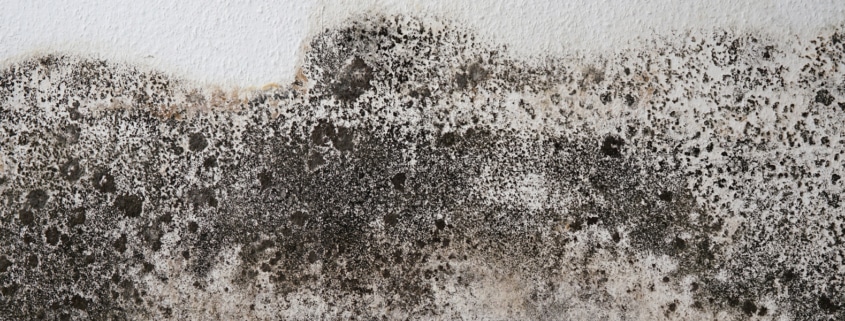
A person checking for mold which is growing beneath a condensation-filled window frame

The Best Ways To Prevent Mold Outbreaks at Home

Living in New Hampshire means dealing with humid summers, cold winters, and plenty of older homes with tricky corners. All of these create the perfect setting for mold growth to take hold. At Safer Homes Environmental, we help homeowners across the Granite State and the wider New England area keep their indoor spaces healthy. In this guide, you will learn where mold likes to hide, simple habits that keep it away, and when to call in professional mold testing for peace of mind.

Why Mold Growth Happens in New England Homes

Mold needs moisture, warmth, and a food source to thrive. Our regional climate delivers all three at different times of year. Damp basements, poorly vented attics, and drafty older homes give spores everything they need to settle in. A few common triggers stand out in homes like yours:

  • Excess humidity: Summer moisture and indoor dampness raise the risk of spores spreading through your air.
  • Hidden leaks: Slow drips behind walls or under sinks feed microbial growth before you ever notice a stain.
  • Poor air circulation: Stale air in tight spaces traps moisture and encourages colonies to form.

Simple Habits That Stop Mold Growth

You can prevent most problems with steady, low-effort routines. Small daily choices make a big difference over time. Try building these habits into your week:

  • Control moisture: Run bathroom and kitchen fans, and use a dehumidifier in damp rooms to lower relative humidity.
  • Dry spills fast: Wet carpet or drywall left alone for a day or two can start growing mold quickly.
  • Improve airflow: Open windows when the weather allows and keep vents clear so fresh air moves freely.
  • Clean gutters: Clogged gutters push water toward your foundation and invite basement moisture.

Watch the High Risk Spots

Some areas deserve extra attention because they stay damp longer. Check your basement, attic, crawl spaces, and around windows on a regular basis. If you spot discoloration, peeling paint, or a musty smell, treat it as an early warning sign.

When To Bring in Professional Mold Testing

Cleaning surface spots helps, but it does not always solve the root cause. Moisture trapped inside walls or ceilings often hides the real problem. That is where professional mold testing and indoor air quality assessments come in.

We use moisture mapping and non-invasive inspection methods to find the source, not just the symptom. This approach helps you understand what is happening inside your home before it spreads. Testing is especially useful after a leak, a flood, or a home purchase when you want a clear picture of your indoor environment.

Signs You Should Schedule an Inspection

A professional microbial investigation makes sense when:

  • You notice recurring odors: A musty smell that returns after cleaning points to a deeper issue.
  • Someone feels unwell indoors: Ongoing allergy-like symptoms may connect to hidden air quality concerns.
  • You see repeat staining: Marks that come back suggest moisture you cannot see.

Keep Your Home Healthy Year Round With Safer Homes

Preventing mold comes down to managing moisture, staying alert, and acting early. With a little routine care, you can protect both your home and your comfort through every New Hampshire season. When you want expert insight, our team at Safer Homes Environmental proudly serves homeowners across New Hampshire and the surrounding New England region. Reach out to us for reliable testing and honest guidance whenever you need it.
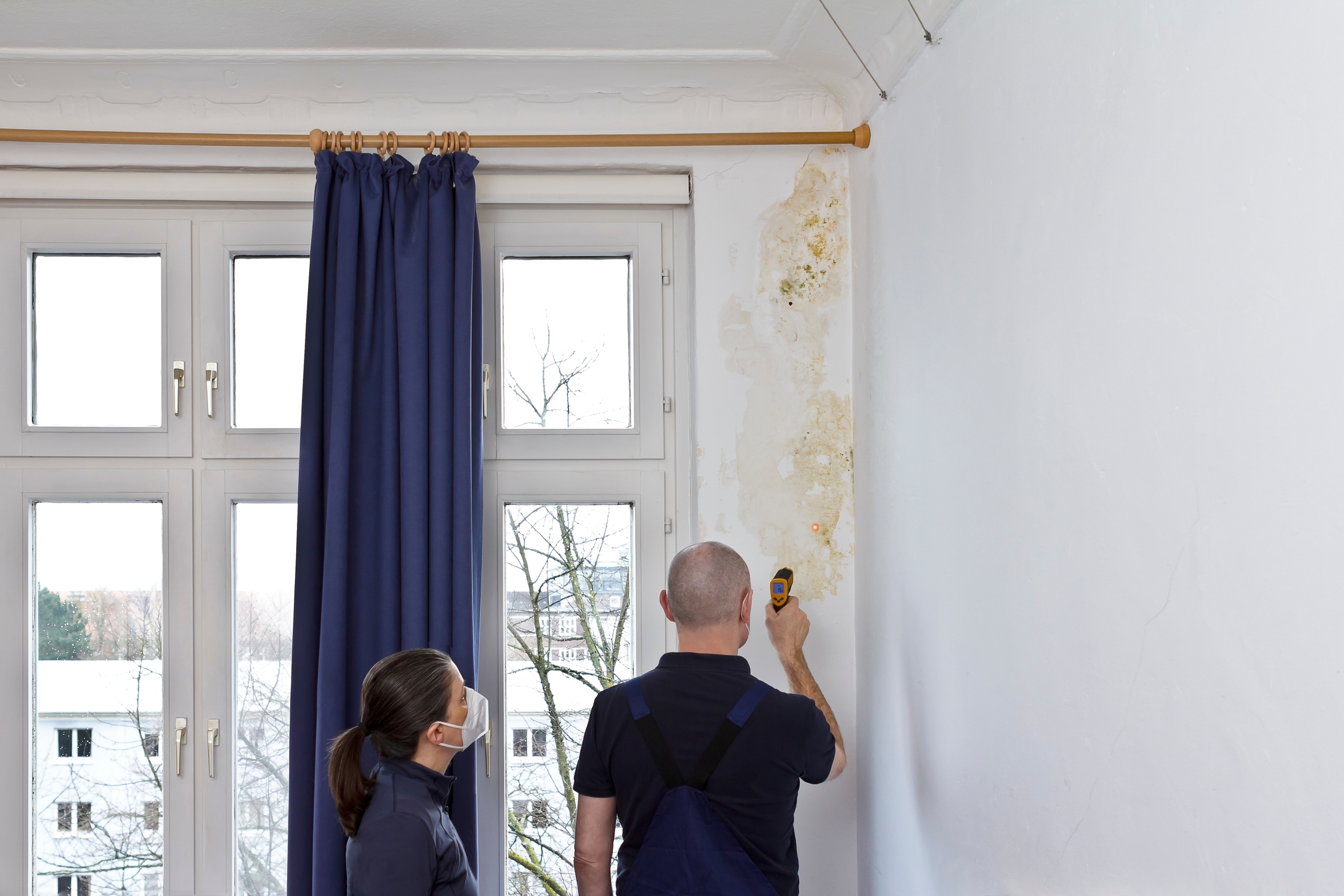

Top 5 Areas in Your Home to Check for Mold Growth

Mold growth can affect your home inspection results, your indoor air quality, and your family’s comfort, so it is worth checking for it on a regular basis. In homes across New Hampshire, Northern Massachusetts, Eastern Vermont, and Southern Maine, changing seasons, damp basements, and everyday moisture can all create the right conditions for mold. Knowing where mold tends to grow helps you spot problems early and avoid larger repairs later. In this blog, we will look at five common areas to inspect and how Safer Homes Environmental, based in New Hampshire, can help with mold inspection and mold testing when concerns come up.

Why do bathrooms often develop mold first?

Bathrooms are one of the most common places for mold because they stay warm and damp. Steam from showers can collect on ceilings, walls, grout, and around windows. Exhaust fans that do not vent well can make the problem worse. During a routine check, look for discoloration, peeling paint, and musty smells near tubs, sinks, and toilet bases.

What should you check in the basement or crawl space?

Basements and crawl spaces often hold moisture for long periods, especially after rain or snowmelt. Small leaks, foundation seepage, and poor airflow can all lead to hidden mold growth on wood, drywall, and stored items. If a space smells earthy or feels humid, that is a sign to take a closer look. These lower areas can also affect indoor air quality throughout the rest of the house.

Can attics have mold even if they look dry?

Yes, attics can grow mold even when there is no obvious leak. Poor ventilation, roof issues, and insulation problems can trap moisture over time. Check the underside of the roof decking, around vents, and near chimney or pipe penetrations. Staining or dark patches in these areas may point to a moisture issue that needs attention.

Why are windows and exterior walls common problem spots?

Windows and exterior walls are exposed to temperature changes that can create condensation. Over time, that moisture can collect around trim, sills, and inside wall cavities. You may notice bubbling paint, warped trim, or a faint musty odor. These signs are easy to miss, which is why they are worth including in any home inspection routine.

Where else should you look for hidden mold in the home?

Kitchens and laundry areas are also important because appliances and plumbing lines can leak slowly without being noticed right away. Check under sinks, behind washing machines, around dishwashers, and near refrigerator water lines.

A simple prevention routine can help:

  • Keep humidity under control with proper ventilation and dehumidification.
  • Fix leaks quickly before moisture spreads into building materials.
  • Clean and dry damp areas as soon as possible.
  • Watch for recurring odors that may point to hidden growth.

When should you schedule mold testing or a mold inspection?

You should consider mold testing or a mold inspection when you notice repeated moisture issues, musty smells, visible staining, or health symptoms that seem worse at home. Professional testing can help confirm whether mold is present and whether indoor air quality has been affected. It is also useful before major renovations or after water damage. The goal is to move from suspicion to clear answers.

Safer Homes Environmental: Trusted Help for Mold Concerns in your Home

At Safer Homes Environmental, we help homeowners understand what may be affecting their living space through mold inspection, mold testing, and indoor air quality services. Based in New Hampshire and serving Northern Massachusetts, Eastern Vermont, and Southern Maine, we provide clear information so you can make informed decisions about your home. Regular checks in key areas can help you catch mold early, protect your property, and support a healthier indoor environment. If you have concerns about mold growth, reach out to Safer Homes Environmental to learn more about your inspection options.

woman looking at mold growth

The Top 5 Things You Should Know About Mold

As a homeowner, the last thing you want to encounter is mold. But did you know that mold growth may be more common than you’d think? With so many opportunities to encounter these harmful spores, it is more important than ever to understand how exactly mold can affect your home and health. Here, we’ve broken down 5 of the top need-to-know facts about household mold.

Mold Needs Moisture

If you’ve ever found mold in your home, you’ve likely spotted it in places like your shower, under your sink, or in your kitchen. This is because mold requires consistent water and moisture to flourish. So, the parts of your home that are more significantly exposed to water tend to be the places where mold growth runs rampant.

Mold Can Grow Within 24-48 Hours In Your Home

Yes, it can happen that quickly! However, you likely won’t be able to see the mold growing at this stage. You will likely begin to notice mold in water-damaged or excessively humid areas around three weeks after exposure. Since the process happens so fast, it is important to address any leaks or floods in your house as soon as possible. 

Mold Produces Harmful Airborne Toxins

You don’t have to physically touch mold to suffer the effects of it. Breathing in mold spores can be incredibly harmful to your health, especially if you already have preexisting conditions. You may experience allergy-like symptoms, such as wheezing and coughing. Others may develop adverse lung problems, like pneumonia, which can greatly impact your health for the rest of your life.

There Are Only 5 Types of Mold That Tend To Grow Indoors

Though there are thousands of different mold species across the world, household mold can typically be narrowed down to the following five:

  • Penicillium: a blue-green mold typically found in insulated areas like rugs and carpet.
  • Aspergillus: a very common type of mold with a grey, brown, yellow, or white appearance.
  • Stachybotrys: the infamous “black mold” that can affect both mental and physical health.
  • Cladosporium: a type of mold that can grow in cooler temperatures and climates.

Keep an eye out for these mold types in your home. If you see any signs, always reach out to an environmental services resource like Safer Homes as soon as possible.

Mold Inspections Can Boost Your Property Value

There is nothing prospective homeowners love more than a certifiably mold-free home. Getting a mold inspection before you sell your home can help you address any mold-related issues well before a buyer may encounter them. Having a positive mold inspection ahead of selling a home is also a great negotiation tool, as it leaves room for the seller to benefit from concessions like no contingencies or even competing bids. 

Safer Homes Environmental offers indoor air quality management services such as mold sampling and testing, and microbial investigations. We also offer useful services like Relative Humidity Testing, which identifies the level of moisture in the air. These services and more can offer your family comfort and peace of mind as you live in your home, and potential buyers the confidence of knowing their new home can keep them safe.

Reach out to us today for a consultation.

How to Reduce Your Home’s Mold Growth in the Summer

Are you excited for the upcoming summer season? So is your home’s mold. In extremely hot temperatures, with humidity levels over 80%, mold loves to grow. If left unchecked, it could lead to serious damage to your home and various health risks.

When trying to reduce or prevent mold growth in your home, here are a few strategies to consider:

Identify common areas for mold growth

Mold tends to grow in moist areas like steamy bathrooms, damp basements, and kitchens. Without proper ventilation or cleanup, these spots can become the perfect breeding ground for spores. So, make sure to monitor these areas regularly to prevent mold growth. During summer, you can also check around areas that have direct exposure to moisture like your windows and doors.

Check hidden areas

Areas such as attics and basements are not utilized daily and it’s easy to overlook them. This may cause a buildup of mold, which may go undetected for long periods. Inspect and clean up these areas regularly.

Use a humidifier

Monitor the humidity level in your home and keep it below 60%. You can achieve this by using dehumidifiers, particularly in damp areas like basements and bathrooms.

Fix leaking pipes

Make sure to fix leaks around your home, no matter how small they are. Some leaks are not that conspicuous but you can identify a potential leak by checking for  drywalls, wet spots, and irregular water bills.

Keep your gutters clean

You should have a routine for cleaning your gutters to prevent moisture buildup. Check your drainage pipe regularly to ensure there are no clogs or mold already building up in it.

Improve Ventilation

Basic techniques like keeping your space well ventilated will go a long way to prevent mold from sprouting. By using exhaust fans, especially in moisture-prone areas like the bathrooms and kitchens, you can keep the airing around you fresh and clean. Attics and crawl spaces are often overlooked, but these places need to have good air circulation. Cross ventilation is important to decrease the moisture in the air and ultimately reduce the humidity level of your home. You can open your windows and doors occasionally to regulate air moisture levels.

Maintain HVAC systems

Another way to remove your home’s moisture is by using an air conditioner. Air conditioners are generally effective for introducing cooler air and reducing the mustiness in the atmosphere. However, this can be counterproductive if your HVAC systems are not properly maintained. Therefore, make sure to clean and replace filters regularly. 

Ready to Get Rid of Your Home’s Mold Growth? Contact Safer Homes Environmental Today!

Safer Homes can assist you if you’re looking to reduce the mold growth in your home! We provide a wide range of effective mold prevention services that will help maintain the structural integrity of your home.